
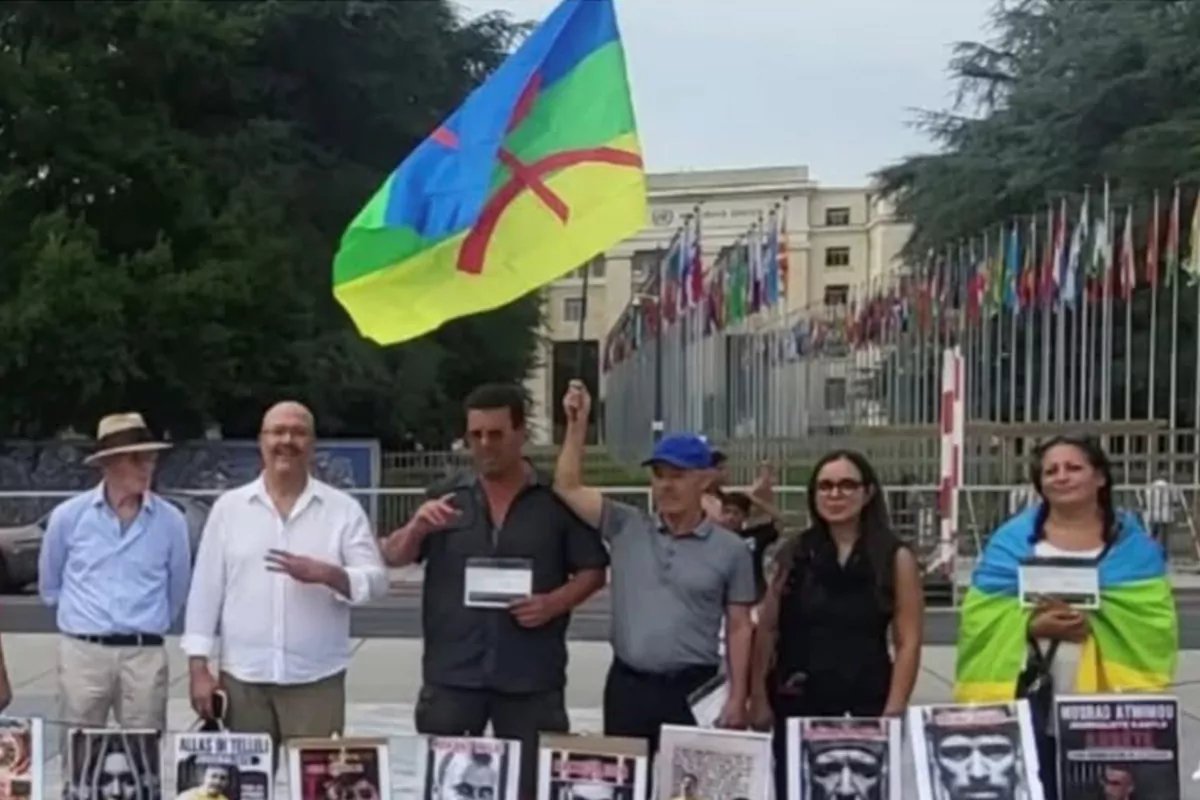
At the UN, the HCA’s denial in the face of Amazigh testimony
29 July 2026
From July 13 to 17, 2026, the Palais des Nations in Geneva hosted the 19th session of the UN Expert Mechanism on the Rights of Indigenous Peoples (EMRIP). A delegation from the World Amazigh Congress (CMA): Nasser Abouzakhar (President), Belkacem Lounès (Secretary General) and Meriem Graba (Federal Council member) carried the voice of the Amazigh
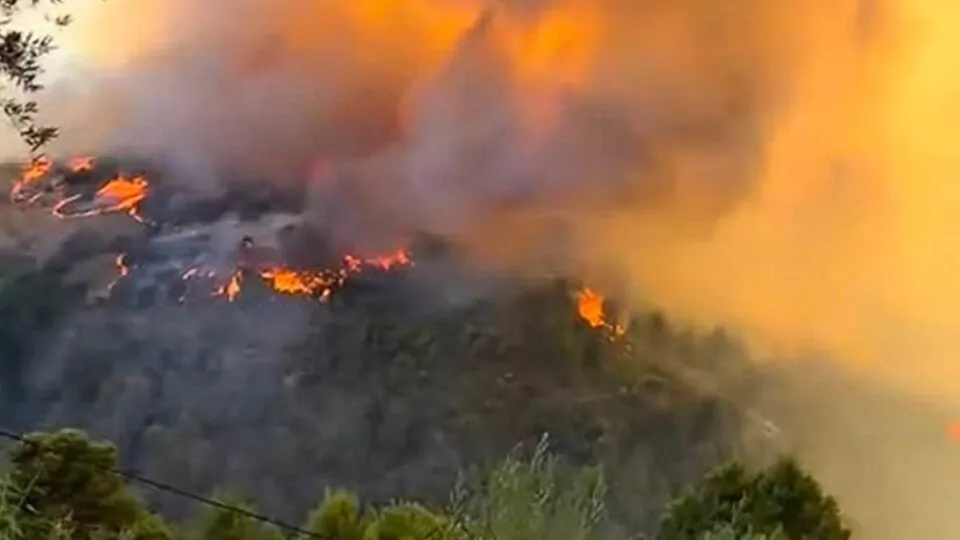
Whether you burn it or not, Kabylie will stand forever, thanks to its children!
14 July 2026
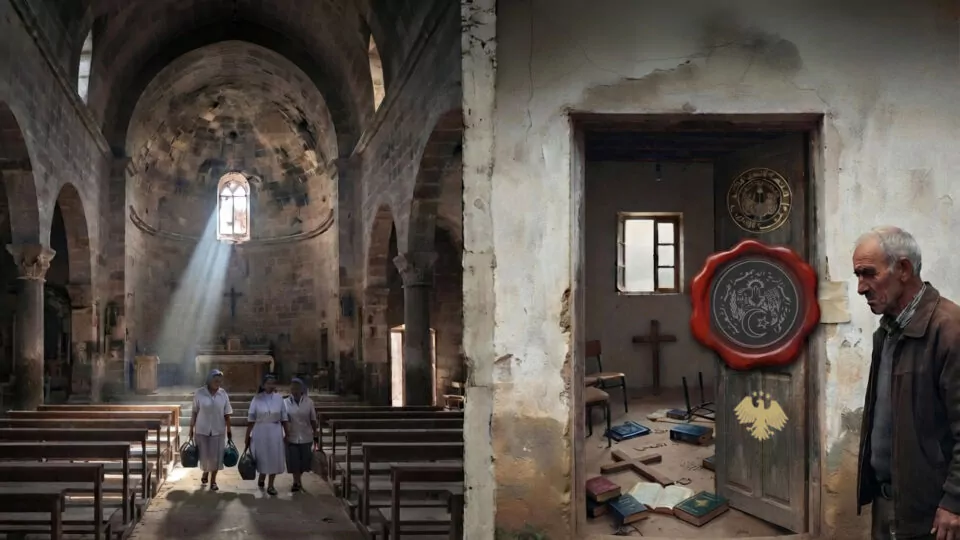
Every summer, the same images return: mountains in flames, forests reduced to ashes, and villages surrounded by fire. Faced with this tragedy, the Algerian regime once again demonstrates its total lack of will to protect Kabylie. I express my deepest solidarity with all the victims, the grieving families, the mobilized citizens, the volunteers, the villagers,

Why are moroccans not arab?
3 July 2026
A Morocco–Netherlands match, and a recurring question: can we still call that which is Amazigh “Arab”? From the 2022 World Cup in Qatar to the preparations for the 2030 World Cup, Rachid Raha revisits years of identity confusion fueled by the media and institutions, advocating for North African history, genetics, and culture to finally be
The World Amazigh Congress expresses its support for the mothers of Rifain detainees
17 June 2026
The World Amazigh Congress (WAC) has issued a statement expressing its full solidarity with the mothers of several Rifain detainees, including the mother of Nasser Zefzafi, a figurehead of the Rif popular movement who has been imprisoned since 2017. In recent days, these mothers have intensified their public appeals to Moroccan authorities to secure the
Memory and History
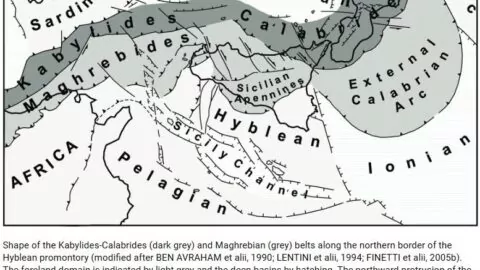
ALCAPEKA: the incredible geological history linking Kabylie to the northern mediterranean
SIMILARITIES BETWEEN KABYLIE, THE MEDITERRANEAN ISLANDS, AND SOUTHERN ITALY (CALABRIA): AN EXPLANATION Many Kabyles, when visiting Mediterranean islands like Sicily, Malta, or Sardinia, and even certain regions of Italy, are struck by the striking similarities with Kabylie: mountainous landscapes plunging into the sea, perched villages, Mediterranean vegetation, olive trees, rugged terrain, and sometimes even an

Queen Nouna – The legend of a christian amazigh sovereign on the borders of Atlantic Morocco
In the oral memory of southern Morocco, the story of a Christian Amazigh queen named Nouna, or Noula, circulates. It is said she arrived from the Canary Islands to rule over the Souss, reaching as far as the Seguia el-Hamra, in a very distant era prior to the Islamization of the region. No established historical
Events
Tuareg diaspora in Europe: ODTE/TANAT announces its 2026 annual meeting
From August 15 to 17, 2026, the Kel-Tamasheq community gathers in France for three days of exchange, reflection, and cultural celebration. A major event for the Organization of the Tuareg Diaspora in Europe (ODTE / TANAT). It is within the lush green setting of Rue du Bois Renard in Le Cormier (Eure) that the Tuareg
Perspectives & Opinions
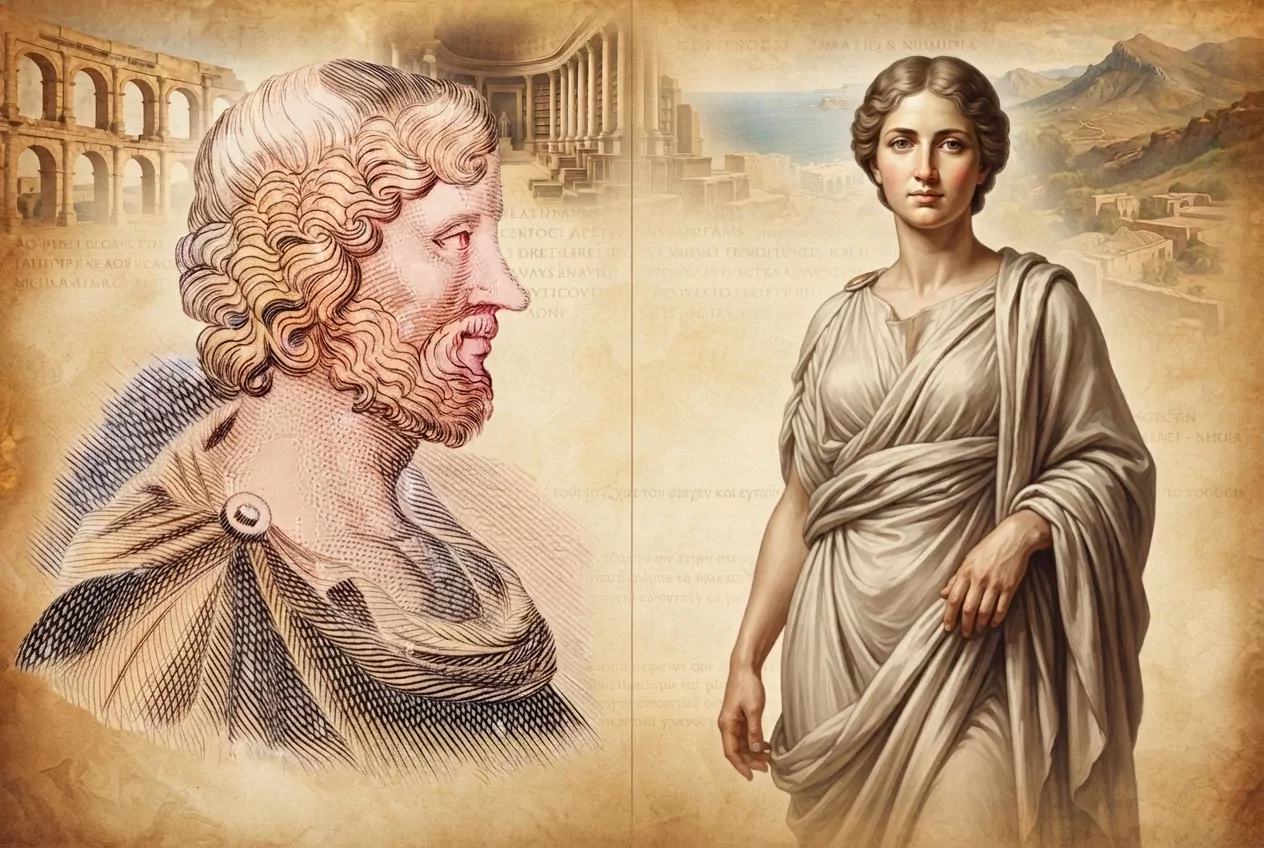
Imaziɣen must claim their share of the greco-latin heritage
A truth often ignored. Mouloud Mammeri once wrote with bitterness: “…In Roman times, it was in Latin that Tertullian, Cyprian, Augustine, Fronto, Arnobius, and Apuleius wrote, although in their books one can trace indices of the Berbership (of their thought) from which they originated; for example, Apuleius recounts, in one of his works, the story
Books

Roots in the ashes
Summary In 1860, in Kabylia, an unexpected encounter changes the course of two destinies. Joséphine, an Alsatian schoolteacher, crosses paths with Areski, a Kabyle assistant as learned as he is reserved. Everything sets them apart—origin, language, culture—yet their stories will intertwine far beyond themselves. Their union will give rise to mixed generations, tossed between two
Visual strategies and cultures, Amazigh Design
Bribri: the tunisian brand of resistance through Amazigh fashion
Who is the founder of BRIBRI? Myriam Bribri (sometimes spelled Mariem Bribri) is a Tunisian designer from Sfax. A lawyer and journalist by training, graduating in 2013, she launched her self-entrepreneurship project in 2015, focusing on fashion inspired by her Berber heritage and distinctively African motifs, all entirely handcrafted. Her workshop, located in the Medina
Leila Walet: the tamasheq painter transforming family memory into color
Leila Walet Mohamed is a Tamasheq painter from Gao, in northern Mali. Now 36 years old, she gained public recognition with her exhibition “Heritage in Silence,” presented at the French Institute of Bamako. Her work, blending abstract painting with family memory, has established her as one of the rising voices of the contemporary Tuareg art