
30-Second Summary
- On July 9, 2026, the Moroccan Government Council adopted Draft Decree No. 2.26.551, amending Decree No. 2.08.310 of October 23, 2008, which established the biometric passport.
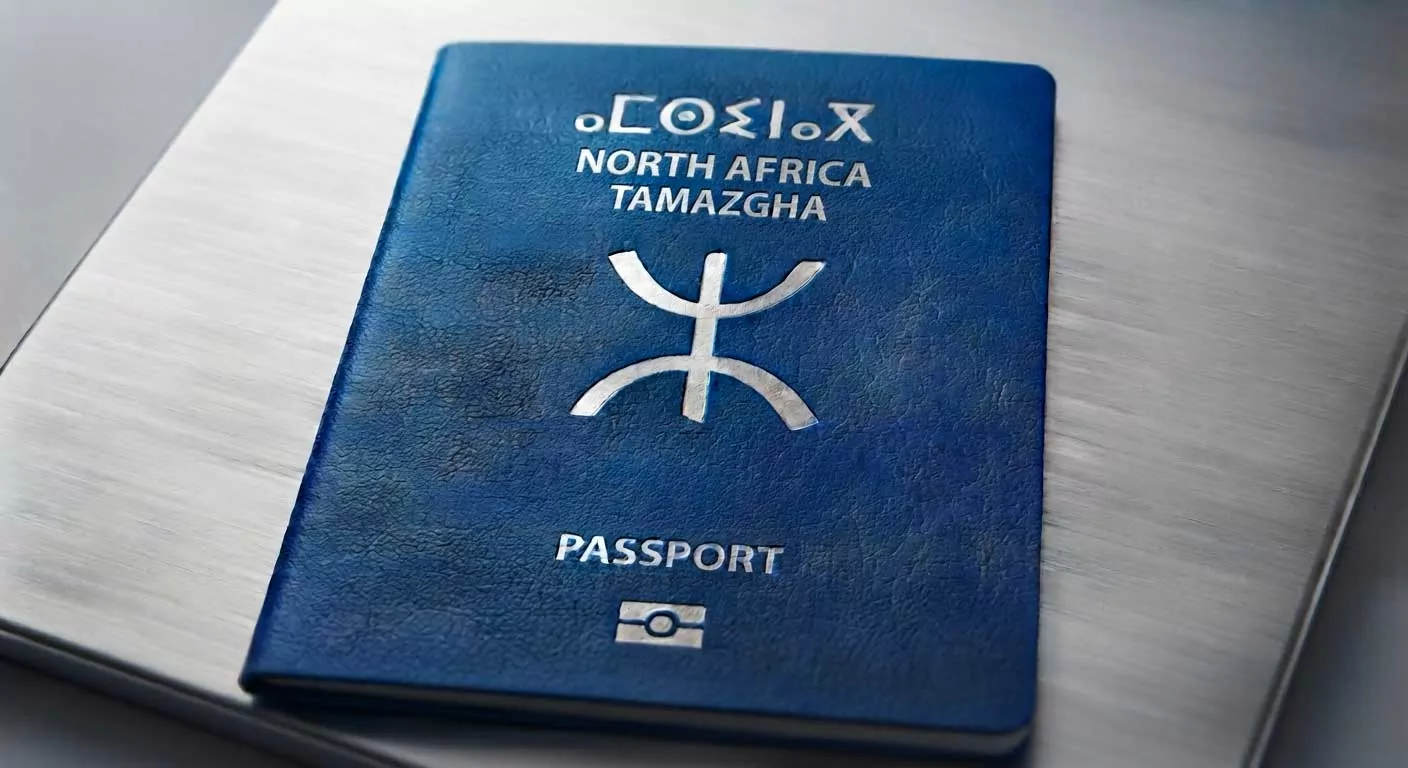
- The new passport will feature four languages: Arabic, Amazigh (Tifinagh), French, and English.
- The rollout is scheduled to begin progressively in August 2026 across prefectures, provinces, embassies, and consulates.
- The provisional passport is being abolished, along with the exemption that allowed minors to obtain an electronic National ID card (CNIE) in lieu of a passport.
- While Amazigh gains a place on the document, Arabic remains the primary administrative language: the decree changes neither the constitutional status of Tamazight nor its standing in the hierarchy of official usage.
What Decree No. 2.26.551 Actually Changes
Meeting on July 9, 2026, under the chairmanship of Head of Government Aziz Akhannouch, the Government Council approved a text presented by Minister of the Interior Abdelouafi Laftit. Government spokesperson Mustapha Baitas stated that the project aims to make the passport a document that reflects the diversity of Moroccan identity while strengthening its security.
Legally, the decree:
- Delegates the setting of issuance terms and procedures to a joint order by the Ministries of the Interior and Foreign Affairs.
- Redefines the physical composition of the document (cover, data page, handwritten signature page, electronic component).
- Adds an additional secure photo of the holder on the signature page.
- Removes the mention of the personal address, previously present on the data page.
- Repeals the provisional passport, as its issuance is no longer considered necessary.
- Eliminates the exemption that allowed minors applying for a passport to obtain an electronic national identity card (CNIE) from the DGSN instead.
Officially, this reform is presented as bringing several major changes, foremost among them the inclusion of the Amazigh language among the languages appearing on the document.
Four languages on the passport: arabic, amazigh, french, and english
This is the measure attracting the most attention: for the first time, Tifinagh, the official alphabet of the Amazigh language will appear on the Moroccan biometric passport, alongside Arabic, French, and English. The new document will also adopt a graphic design that highlights Moroccan cultural and architectural heritage.
This is a first for a sovereign identity document of this scope; until now, Amazigh had been primarily visible in public signage, government building facades, or education, and more rarely on individual official documents issued to citizens.
Why This Progress Remains Mixed
Tamazight has been an official language of Morocco, alongside Arabic, since the 2011 Constitution, and a 2019 organic law is supposed to generalize its use in the administration, local authorities, and education. Seven years after this law, the presence of Amazigh in official documents remains sporadic, and its integration into the passport comes late, in a text that does not modify the country’s linguistic status in any way.
Several structural limitations remain, regardless of this decree:
- The decree does not specify the order of the languages. Neither the adopted text nor government communications specify which language will appear first on the cover or data page, a symbolically decisive point for a document where Arabic has traditionally held the dominant position.
- No new legal value is created for Amazigh. The text focuses on security and the passport’s format, not the status of the language: in practice, Arabic remains the reference language for the Moroccan administration, with Amazigh remaining in a position of addition rather than equality.
- The choice of Tifinagh itself divides the Amazigh movement. Since its adoption by the IRCAM in the early 2000s, the Tifinagh script, rather than Latin or Arabic, has been a subject of debate among activists and linguists, some arguing that it hinders the real dissemination of the language rather than serving it.
- The timeline remains vague. The “progressive generalization” announced for August 2026 has no clear quantitative milestones; old passports, without Amazigh, will continue to be issued in parallel throughout the transition period, with no full cutoff date communicated.
The decree is therefore a real and unprecedented step in terms of symbolic representation, but it is not accompanied by any binding measures that would rebalance the use of official languages in the Moroccan administration at large.
Deployment Timeline
| Step | Detail |
| July 9, 2026 | Adoption of Decree No. 2.26.551 by the Government Council |
| From August 2026 | Start of progressive issuance of the new passport in prefectures, provinces, embassies, and consulates |
| Transition Period | The old passport format continues to be issued in parallel |
| Until Expiration | Passports already in circulation remain valid until their normal expiration date |
What Is Disappearing: The Provisional Passport and the CNIE Exemption
Two provisions of the 2008 decree are repealed. The first concerned the provisional passport, now deemed superfluous given the production timelines for the new secure document. The second concerned the exemption allowing a minor applying for a passport to obtain an electronic national identity card (CNIE) from the DGSN, a provision the government considers obsolete.
FAQ – Moroccan biometric passport and the amazigh language
When will the new passport with Amazigh be available? Its issuance will begin progressively starting in August 2026 in Morocco’s prefectures, provinces, and embassies and consulates abroad.
Do I need to renew my current passport as of August 2026? No. Passports already issued remain valid until their expiration date; the old format will even continue to be issued during the transition period.
Which languages will appear on the new passport? Four languages: Arabic, Amazigh (in Tifinagh script), French, and English.
Does the decree change the official status of the Amazigh language in Morocco? No. Tamazight has been an official language since the 2011 Constitution; this decree only changes the format and security of the passport, not the legal status of the language or the hierarchy of its administrative usage.
Does the provisional passport still exist? No, Decree No. 2.26.551 repeals its legal basis.
Can a minor still obtain an electronic CNIE instead of a passport? No, this exemption was removed by the same decree.
What is the exact number of the relevant text? It is Draft Decree No. 2.26.551, amending Decree No. 2.08.310 of October 23, 2008, establishing the biometric passport.
Sources: Moroccan Government Council (July 9, 2026); statements by government spokesperson Mustapha Baitas; presentation note for Draft Decree No. 2.26.551.